1/4
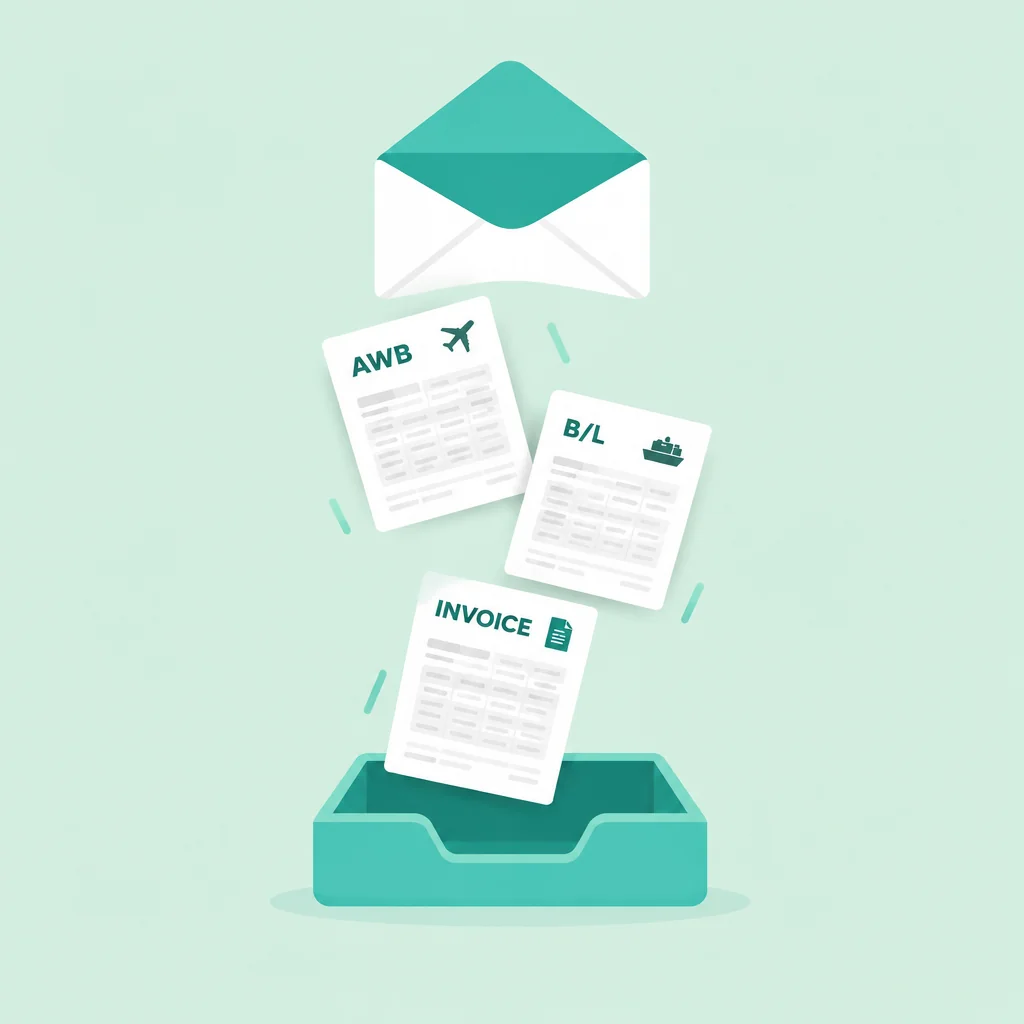
Documents come in
By mail or upload: invoices, packing lists, AWBs, BLs. CargoFlow recognises them and matches them to the right file
CargoFlow reads your shipment documents, prepares the declaration and stages it in the declaration system you already use. Your declarant reviews, approves and submits. No retyping, no extra screen to work in.
Documents come in
CargoFlow completes the file
Your declarant approves and submits
Return documents back in the file
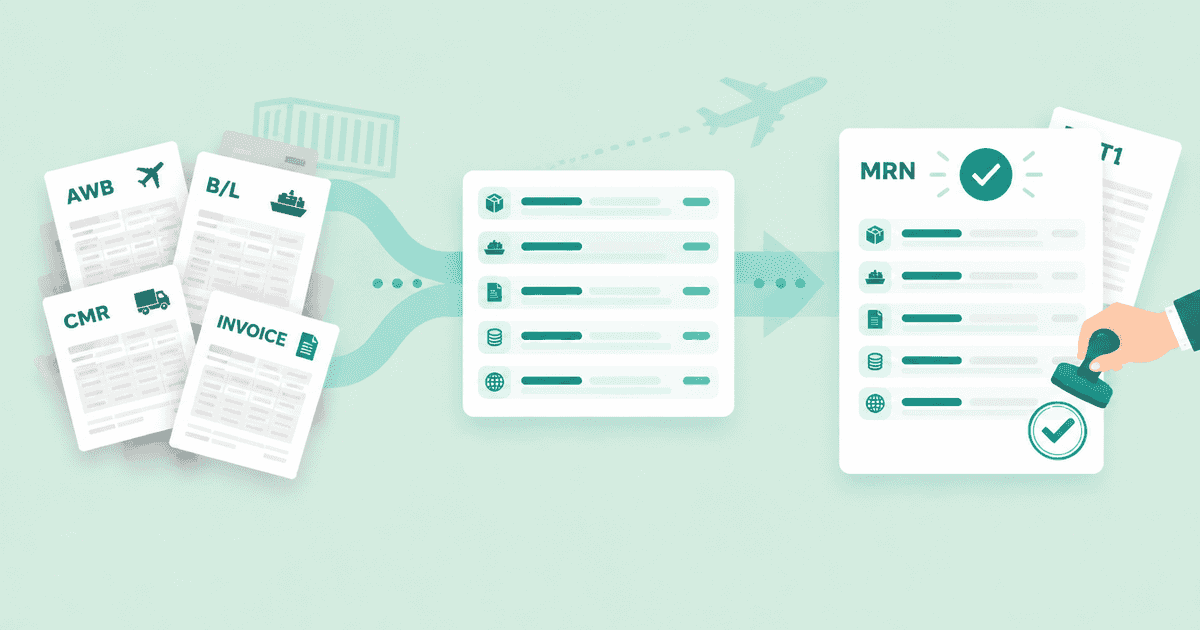
CargoFlow is the intake layer in front of your declaration system. Mail comes in, documents are recognised and matched to the right file, the data is extracted, classified and validated, and the declaration is staged for your declarant's final check. Return documents such as T1s and duty statements flow back into the file automatically.
Built for customs brokers and freight forwarders. Not a generic document AI that still needs a year of integration work, but native connections to the systems you already run.
The pain every forwarder knows, and what CargoFlow does about it
Why CargoFlow is different
Invoices, packing lists, AWBs and BLs, as PDF, Excel, mail or even photos. CargoFlow recognises the document, matches it to the right file and extracts the declaration data.
From mail intake to return documents: files are completed, forwarded to the right party, and T1s and duty statements come back into the file automatically.
Classification is the easy part. The real time goes into document codes per commodity code and destination, including explicitly establishing that no document is required. That is what CargoFlow is built for, and it learns from every correction your declarant makes.
The declaration is staged in your own declaration system. Your declarant keeps working in the environment he knows and remains the declarant of record.
How it works
By mail or upload: invoices, packing lists, AWBs, BLs. CargoFlow recognises them and matches them to the right file
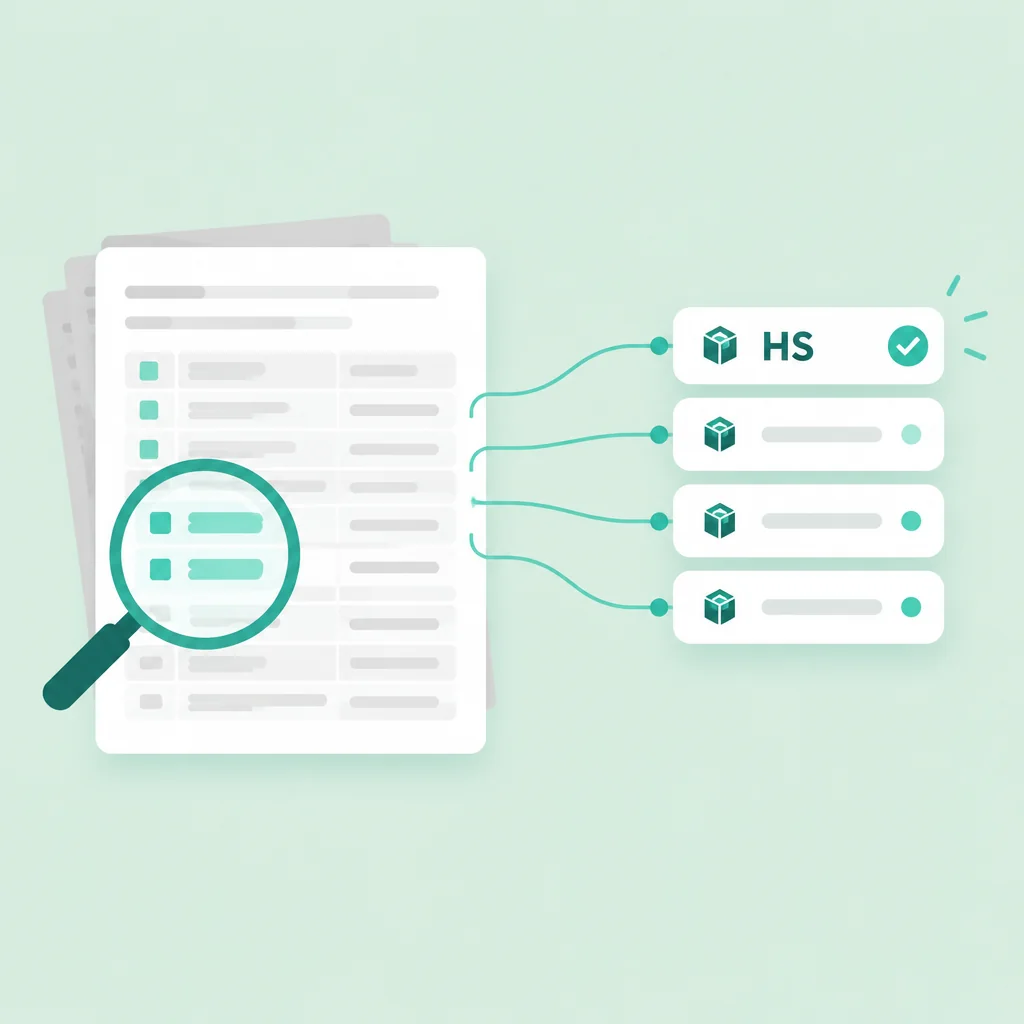
Parties, commodity codes, value, weight and document codes are extracted from the documents and validated

The prepared declaration sits in your own declaration system, with the totals shown prominently for the final check
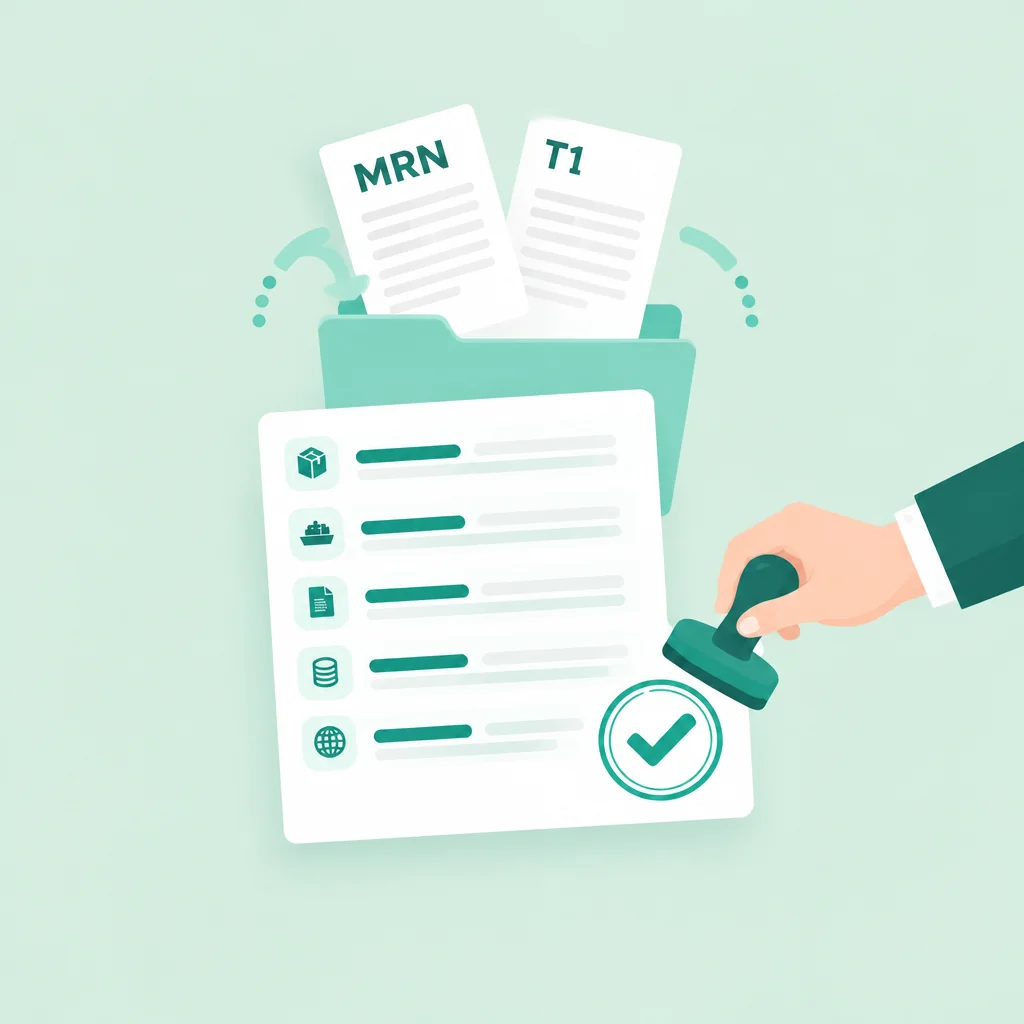
Your declarant remains the declarant of record. After submission, return documents flow back into the file automatically
Built for real customs systems
Dutch DMS with its 99-line limit per declaration, the Spanish DUA, mandatory fields that are stricter than the message format. CargoFlow knows the practice, not just the specification.
The right document codes per HS code and destination, with an explicit outcome when no document is required. A complex declaration with dozens of commodity codes costs an experienced declarant hours of lookup work. That is the work we take out.
Code sets change every year and new obligations keep arriving, such as CBAM and EUDR. CargoFlow keeps track of the requirements so your team does not have to work it out per shipment.
Consistency checks on value, weight, representation and document codes before the declaration reaches your declarant. He checks the totals and approves. Catch errors before submission, not through a correction request afterwards.
CargoFlow handles the whole forwarding file and is set up per customer for the flows you run.
From standard import and export to simplified declarations, warehousing and transit. Which types we set up first is decided together, based on your volumes.
Send us the documents of a real shipment and see what comes out: a prepared, validated declaration, ready for review.
What changes in the daily work of your declarants.
Questions
CargoFlow is the layer in front of your declaration system. It reads incoming shipment documents, matches them to the right file, extracts the declaration data, validates it and stages the declaration in the system you already work with. Your declarant reviews, approves and submits.
Book a demo on your own documents. You will see how it works on the shipments you handle every day, not on a polished example.